
Field Recipes
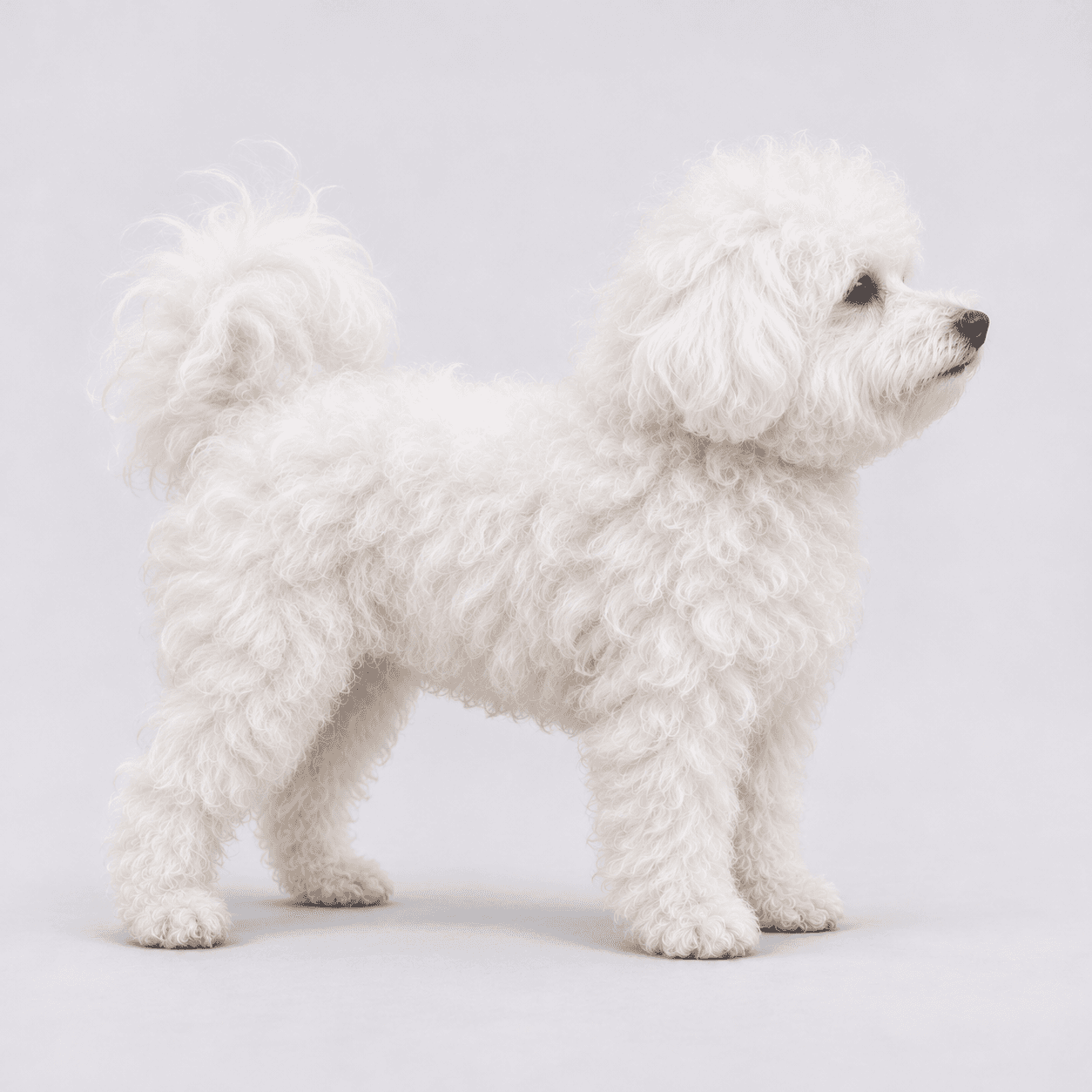
Bichon Frise · Soiled White Coat Recovery Recipe
Purpose
Leaves Bichon white coats brighter and cleaner where yellowing builds up easily, such as around the mouth, feet, and lower belly.
Order
1st wash
Deep Cleansing Shampoo + Whitening Shampoo
RatioBlend Deep Cleansing 1 : Whitening 1 · Shampoo blend 1 : Water 5
2nd wash
RatioShampoo 1 : Water 5
Makes the white coat look even brighter and clearer
Conditioner
RatioConditioner 1 : Water 100–125 · Rinse out
Finish
How it differs from Bath Basics
- 1st wash blend: The standard is Deep Cleansing 2 : Whitening 1. This recipe blends Deep Cleansing 1 : Whitening 1.
- Dilution: The standard for every shampoo is Shampoo 1 : Water 7 (1 : Water 10 for frequent baths with light dirt). This recipe dilutes the Deep Cleansing 1 : Whitening 1 blend at 1 : Water 5 for the 1st wash, and uses Shampoo 1 : Water 5 for the 2nd wash.
- 2nd wash: The basic Bichon chart uses Balancing for the 2nd wash on Bath & Brush days and Volumizing on Full Groom days. For spot stains around the paws and mouth, it uses Whitening at Shampoo 1 : Water 1–5 only on those areas during the 2nd wash. This recipe uses Whitening Shampoo 1 : Water 5 for the 2nd wash.
- Conditioner: The basic guide's maximum All Purpose Conditioner dilution is 1 : Water 100 (a soak for long coats of 10 cm or more). This recipe uses 1 : Water 100–125.
Tip
- When substituting Light Leave-in Essence, use Light Leave-in Essence 1 : Water 20–25 (do not rinse). All Purpose Conditioner 1 : Water 100–125 in the chart is the equivalent ratio to match the light finish you get from Light Leave-in Essence.