
Home Care ClassHome CareFor · Owner
Pomeranian · Spitz Home Care — Protect the Undercoat and Clear Shed Hair
For double coats at home, the goal is to clear hair ready to shed and protect healthy undercoat rather than remove as much undercoat as possible — catch buildup early and dry all the way to the undercoat near the skin.
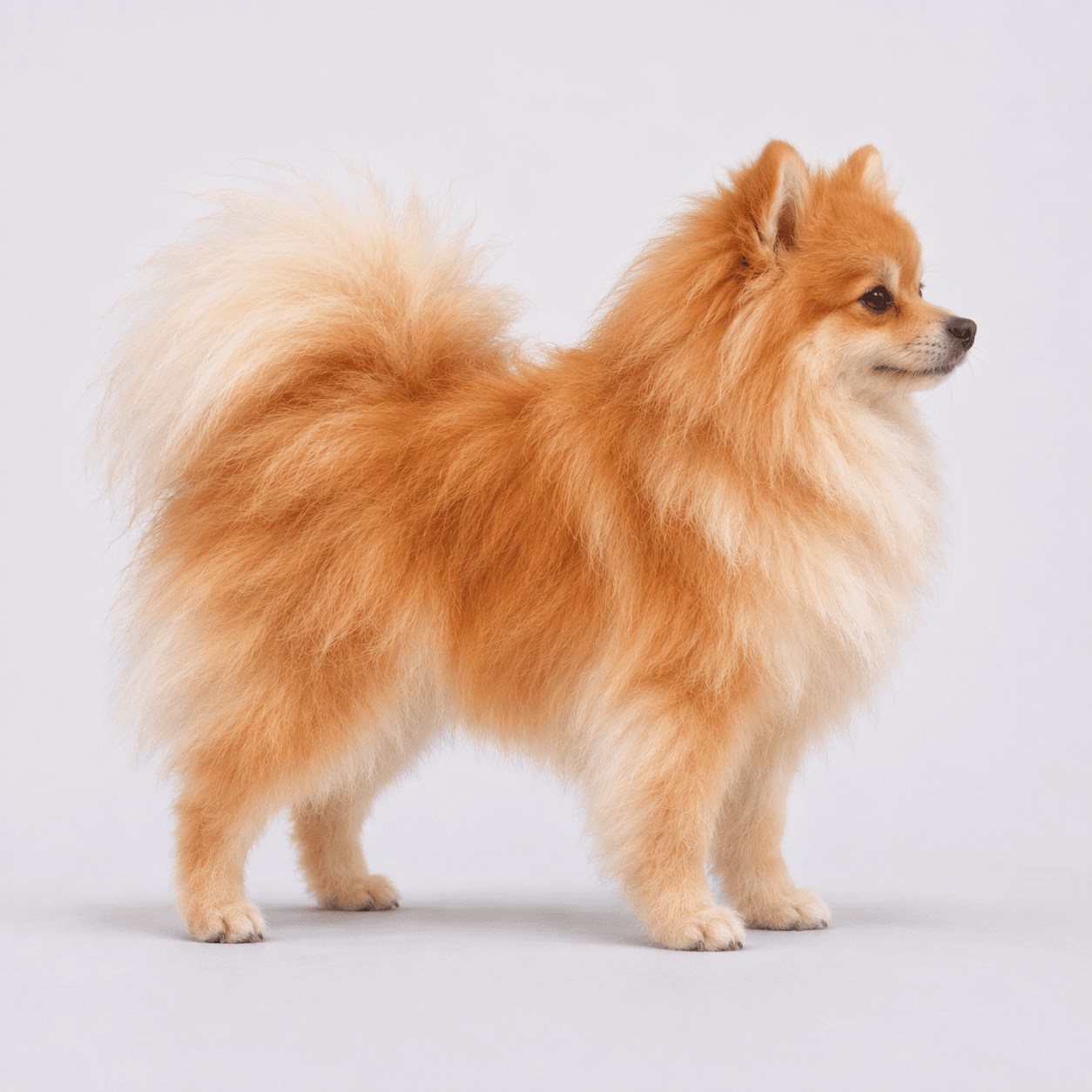
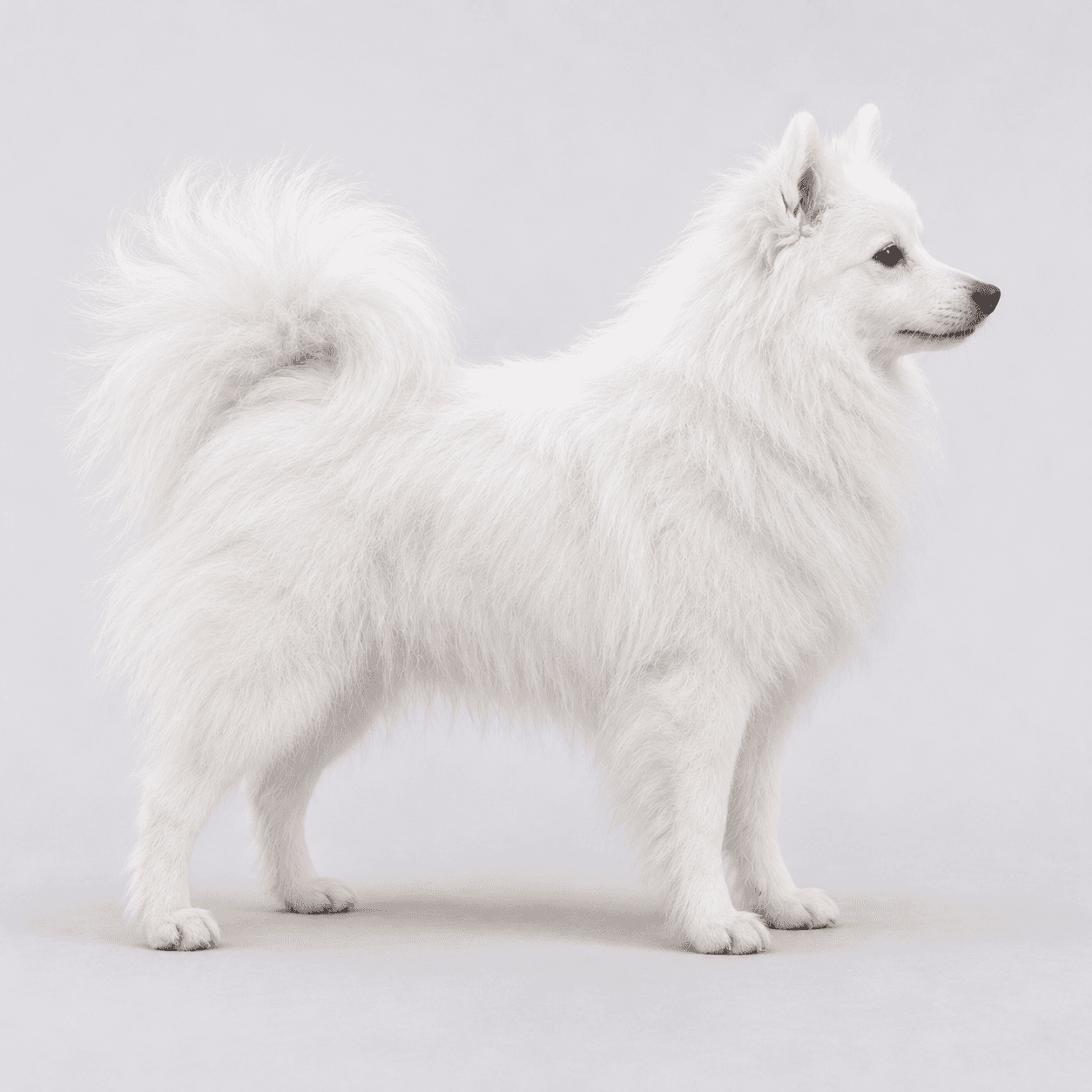
Understanding Your Dog's Coat — Dense Undercoat Beneath the Outer Coat
Pomeranians and Spitz have double coats made up of an outer coat and a dense undercoat. Shed undercoat can stay trapped beneath the outer coat and clump, and even when the outside looks dry, moisture can stay in the undercoat near the skin. How much undercoat sheds also varies by season and dog. Surface brushing and drying alone are not enough — check the undercoat down near the skin first rather than judging from the outside.
At the salon, your groomer actively clears out undercoat and builds volume for that day's shape and fullness; at home, keep dead hair from building up and clumping without damaging the skin and coat. Your goal is to keep healthy undercoat in good condition rather than remove as much hair as possible.
RENADOG recommends the Deshedding & Detangling line as the standard for double coats. It is meant to manage dead hair and dirt trapped in the undercoat, keep loose hair from building up and clumping, and protect the condition and volume of the remaining undercoat, rather than remove as much undercoat as possible.
Routine Brushing — Find Buildup Rather Than Remove More
You do not need to brush the whole body hard every day. What matters is catching buildup early. Glide a straight comb slowly in the direction of coat growth to find where clumps are starting, without pressing or scratching the skin. If it catches, stop, part that spot, and check it separately.
Follow this brushing order:
- Apply Detangling Spray very lightly over the whole body.
- Smooth the whole coat in the direction it naturally falls.
- Part the coat to check for undercoat clumps and shed hair. Clear out dead hair without removing healthy undercoat by force.
- Finish by smoothing the whole coat along its natural lay again.
With a slicker brush (a brush with closely spaced fine pins), use light strokes that catch the hair close to the skin and lift it about 10–15 degrees off the skin, repeating catch → gently lift → release. Part the coat in layers so you can see down to the undercoat, and do not scratch the same spot repeatedly.
During shedding season, brush in short sessions rather than one long session. Lift the outer coat at the neck, chest, rear, and thighs to check for clumps underneath, and gently clear out shed undercoat a little at a time. If the skin turns red or your dog seems uncomfortable, stop and check.
Moisture comes before working out tangles. Apply Detangling Spray generously and work them out while blow-drying to make the job easier. If the comb keeps catching or your dog seems uncomfortable, stop and talk with your groomer.
Once a day, part the coat behind the ears, in the armpits, and around the rear to check for clumps underneath, then brush in small sections and stop if the comb catches. On bath days, check that the coat is dry all the way to the skin.
Bathing — Wash Twice, Deshedding & Detangling for the 2nd Wash
Before bathing, check how dirty the coat is, how much undercoat is shedding, and whether there are tangles or dryness. A weekly bath and a bath after 1–2 months involve very different levels of dirt, dead hair, and skin condition, so adjust brushing time and product amounts to your dog's condition that day rather than the bathing interval. If you bathe your dog often, do not brush hard to remove undercoat every time, and be sure to include moisture and conditioner if the skin is dry or sensitive. For extra-sensitive skin, switch the 1st wash to Balancing Shampoo.
Clean the ears first (see Finish below). To dilute shampoo, put water in the bottle first, add shampoo, and shake.
- 1st wash — blend Deep Cleansing Shampoo 2 : Whitening Shampoo 1, then dilute at Shampoo blend 1 : Water 7 (1 part blend to 7 parts water) to wash away dirt and sebum.
- 2nd wash — wash with Deshedding & Detangling Shampoo (Shampoo 1 : Water 7) to loosen tangles and soften the coat. Seeing plenty of loose hair come out during the wash is normal, and the coat actually looks fuller once dry. Because this shampoo is thick, shake well when diluting and do not put it in a foaming pump bottle. Use diluted shampoo the same day.
- Conditioner — apply Deshedding & Detangling Conditioner to match the undercoat's condition and skin dryness, then rinse thoroughly so no lather or residue stays behind.
- Pre-dry spray — choose one to match the undercoat's condition. If your dog has plenty of undercoat, use Detangling Spray; if undercoat is sparse or you want extra root lift, apply Volumizing Spray at the roots only. For dry coats, Detangling Spray is the better choice.
On days you work out heavy mats, follow the "After Heavy Dematting" bath method.
Drying — Through the Undercoat, Beyond the Outer Coat
Dense double coats can take longer to dry. Take your time and dry thoroughly.
- Press with a towel to blot out water rather than rubbing.
- Start on low heat, and apply your spray as directed.
- Use airflow and gentle brushing to open the coat, checking for dampness and clumps underneath as you dry. Alternate between low and medium heat.
- Check that the hair close to the skin is dry, then smooth the coat in the direction the hair grows.
Dry in a well-ventilated space that is not too warm. Lightly drape a dry towel over areas waiting to be dried without wrapping your dog's body tightly. If your dog pants heavily, tries to pull away, seems anxious, or feels hot, pause and take a break.
Finish — Ears · Eyes · Paws
Before bathing, check the skin, ears, paws, and undercoat together.
- Ears — on bath days, use ear cleaner before the bath as directed, massage gently, and wipe away moisture after your dog shakes its head. Between baths, wipe only the outer ear and never push cotton swabs deep inside.
- Eyes — soak eye discharge thoroughly with eye cleanser before wiping, and never pull off dried buildup by force. Keep the bottle tip from touching the eye.
If you notice odor, discharge, redness, or pain, or if your dog seems uncomfortable, consult a veterinarian.
Common Mistakes — A Good Double Coat Does Not Come from Removing More
- Brushing the whole body hard every day to remove lots of undercoat → find where buildup is starting and clear only what is needed.
- Scratching the same spot on the skin repeatedly, or pulling a straight comb through a snag → stop, part the coat, and check.
- Drying only the outer coat → dry completely down to the undercoat near the skin.
- Wrapping your dog's body tightly in a towel or drying in a hot space → drape lightly and dry in a well-ventilated space.
Clearing dead hair, protecting healthy undercoat, and drying completely down to the undercoat near the skin — these three things are the basics.
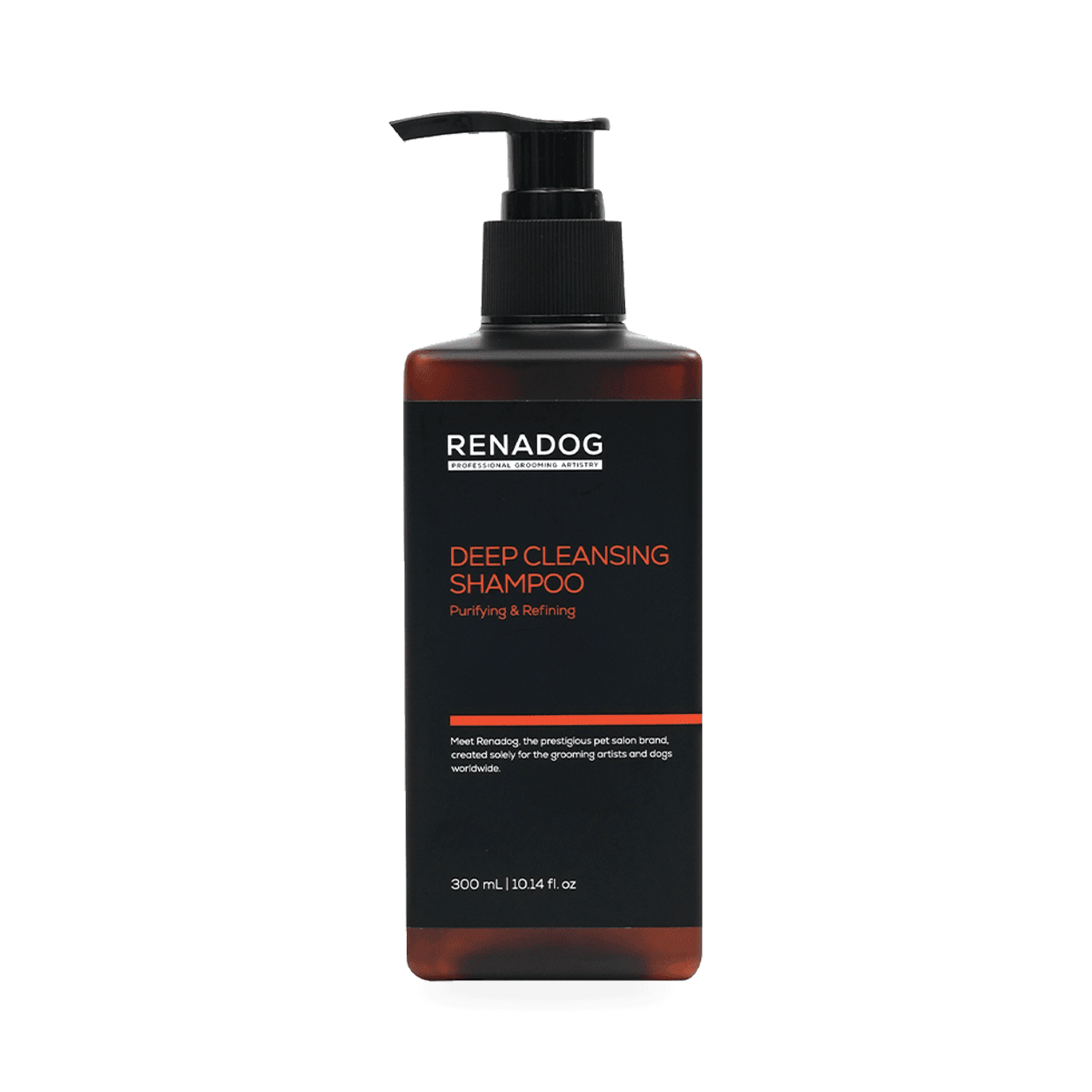 Deep Cleansing Shampoo
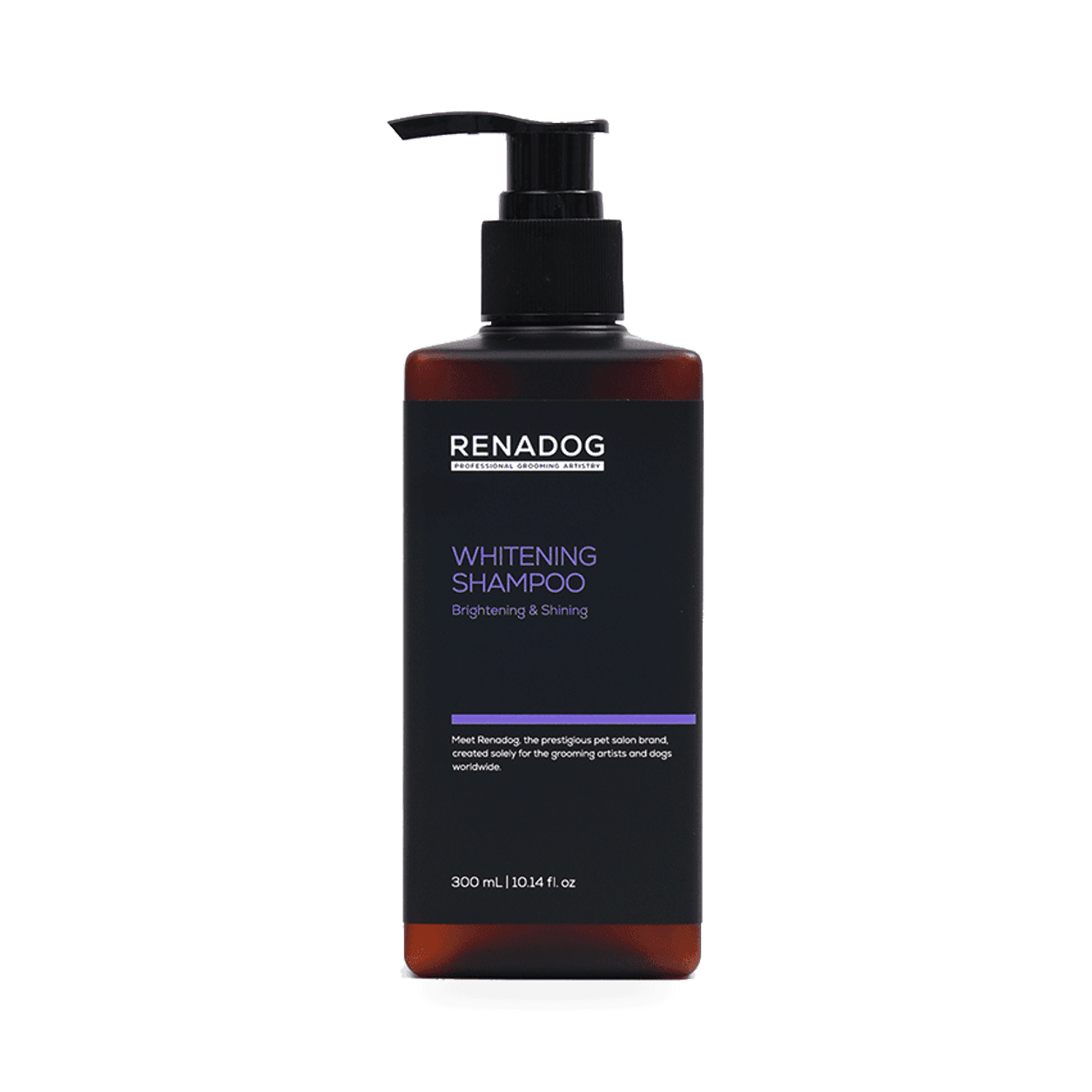 Whitening Shampoo
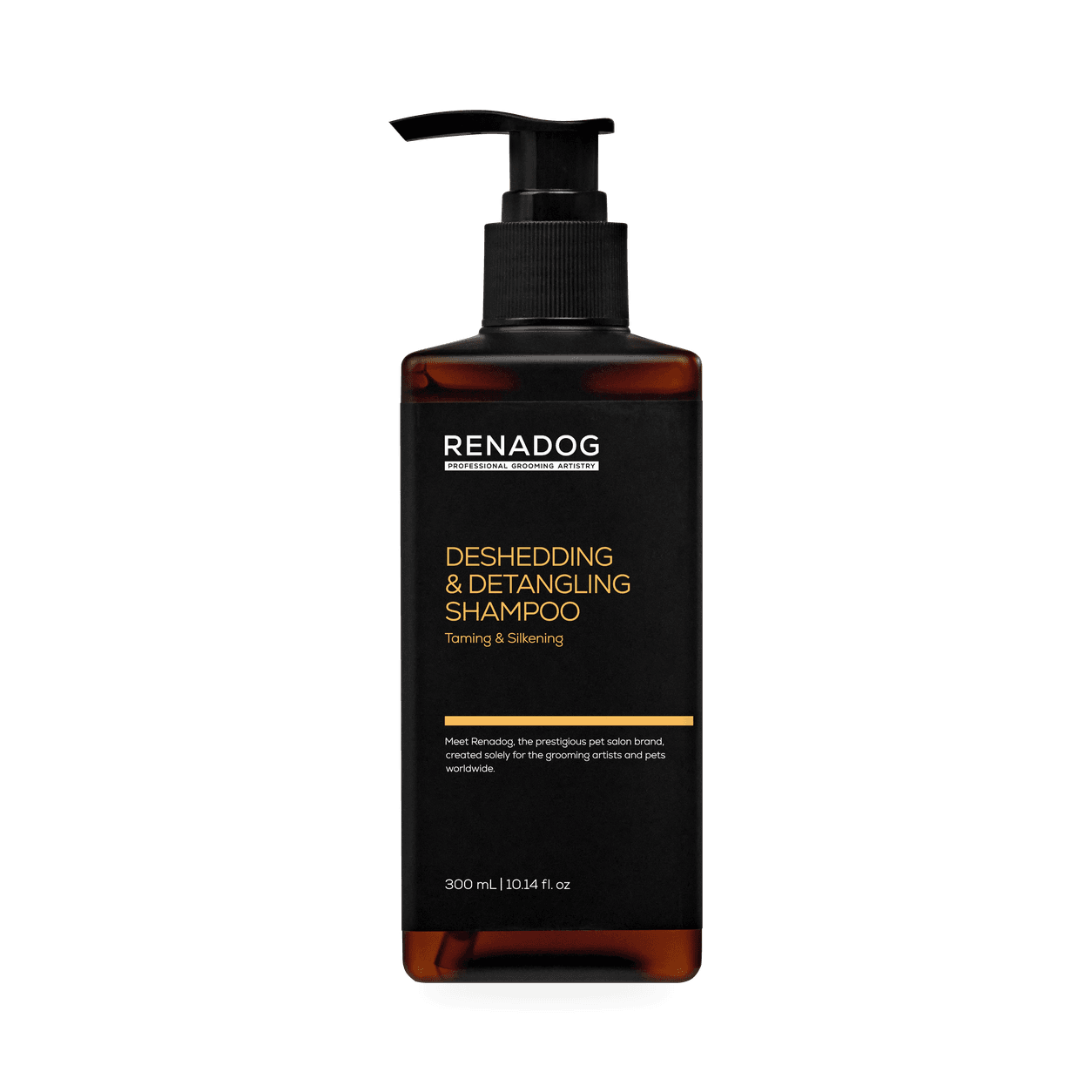 Deshedding & Detangling Shampoo
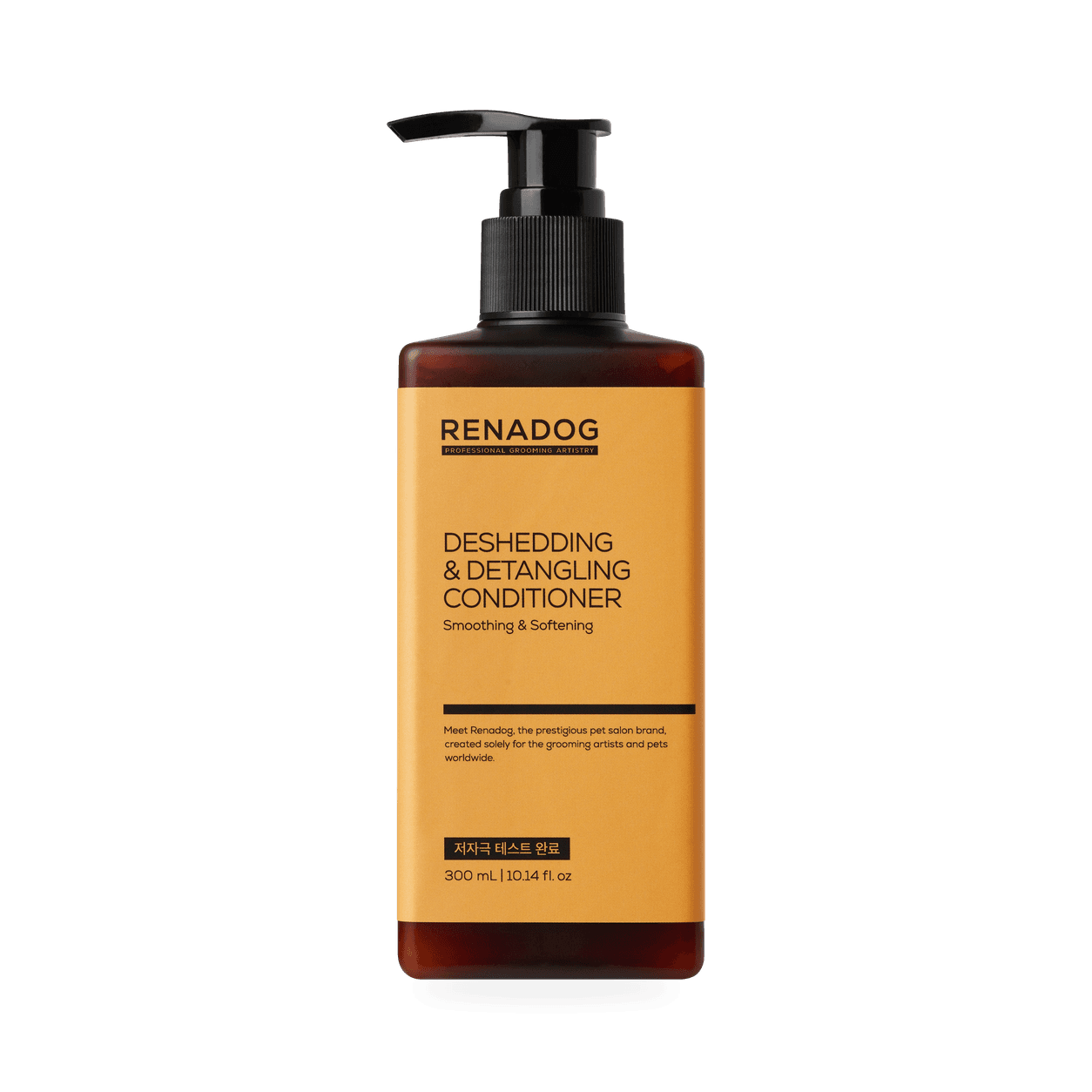 Deshedding & Detangling Conditioner
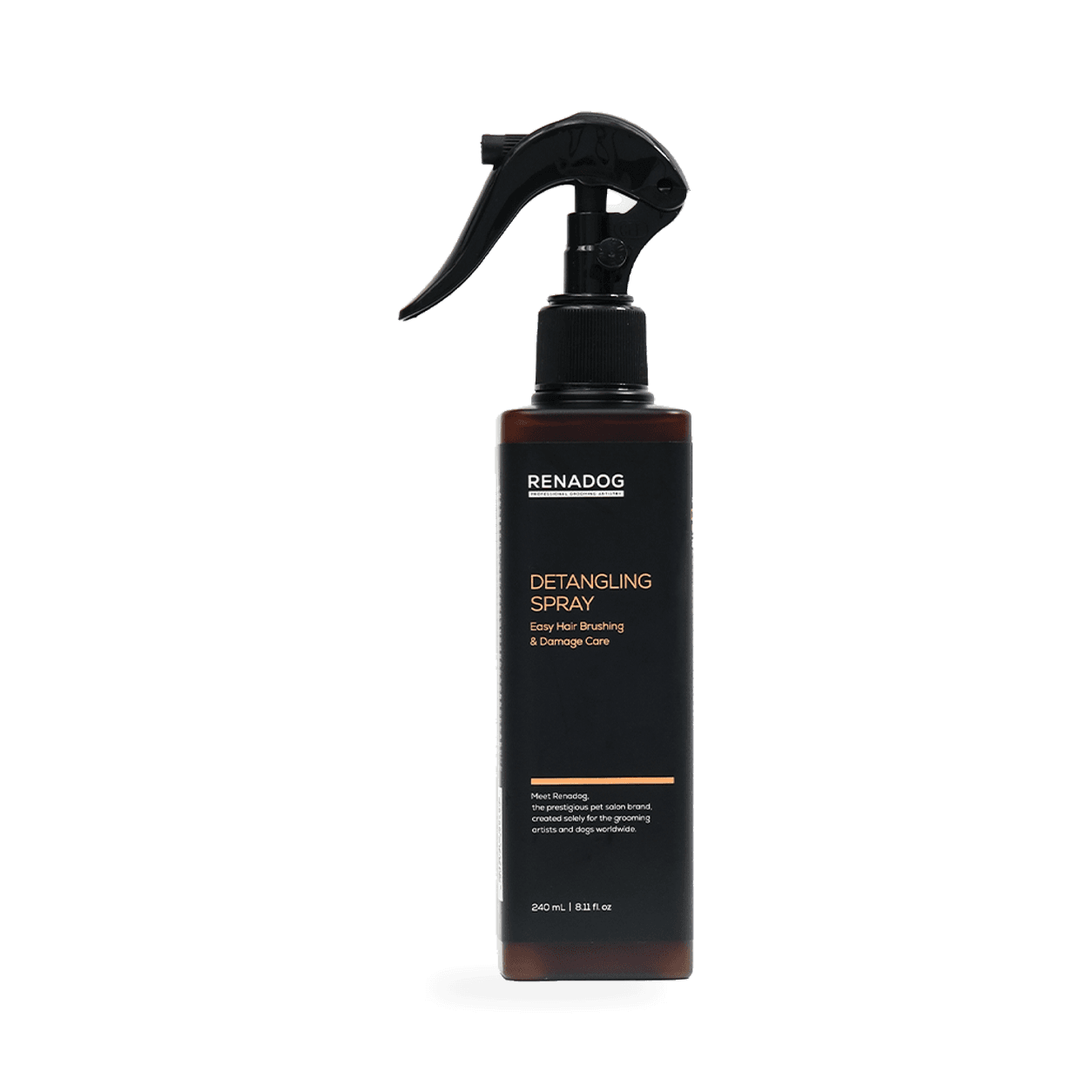 Detangling Spray
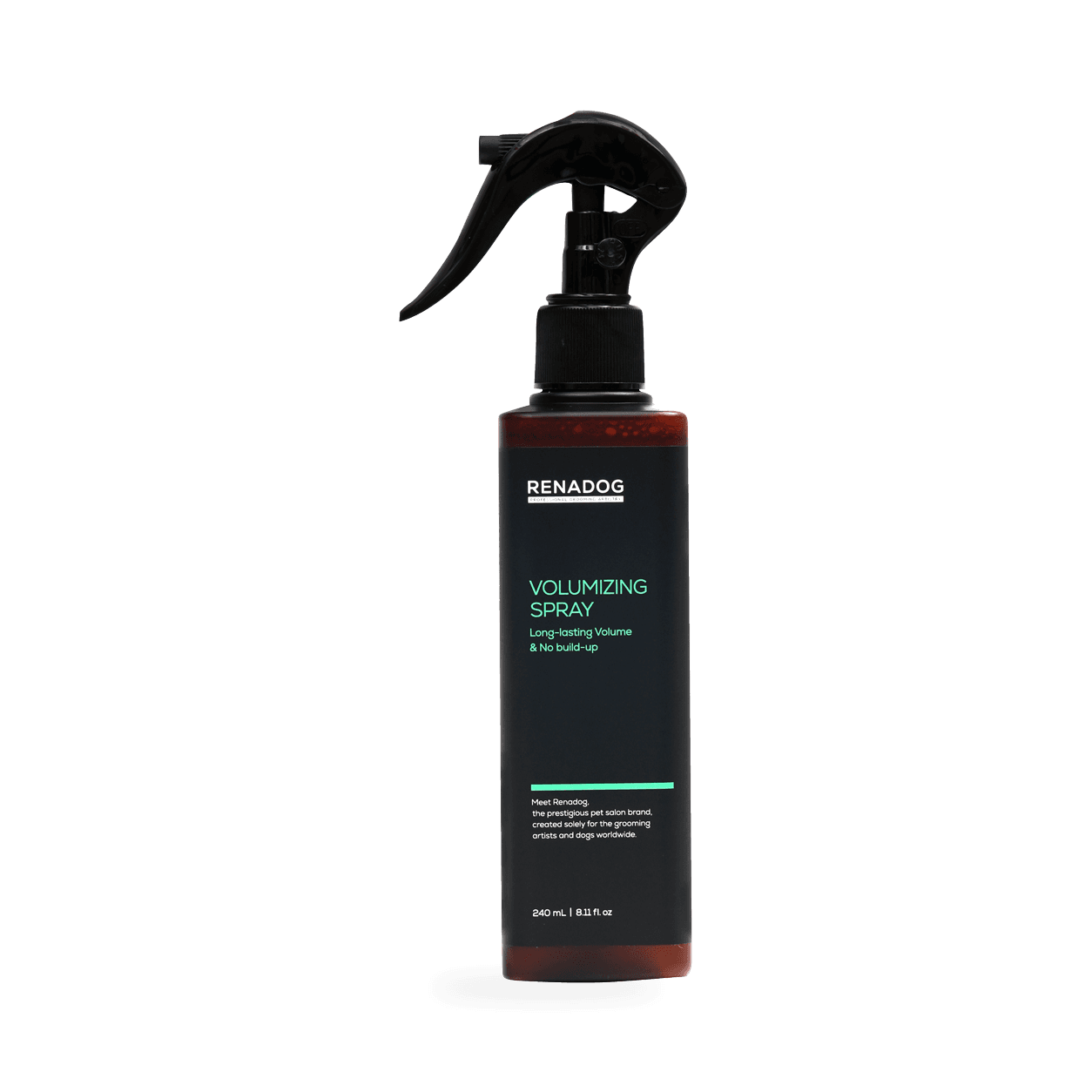 Volumizing Spray