
Home Care ClassHome CareFor · Owner
Maltese · Shih Tzu · Yorkshire Terrier Home Care — Follow the Natural Flow
For long, straight coats, downward flow comes before volume — reduce friction and dryness, wash twice, then condition for a smooth finish through the ends.
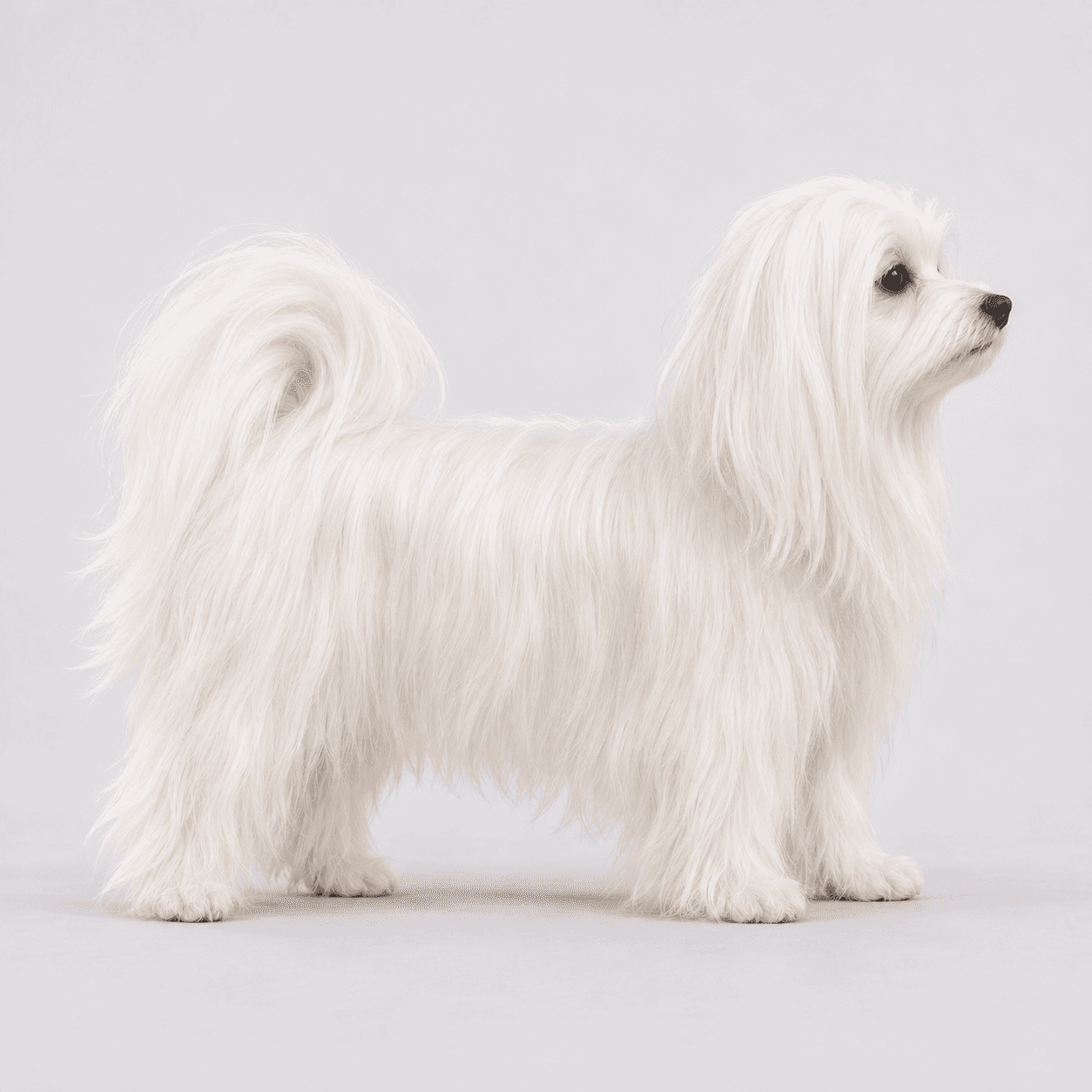
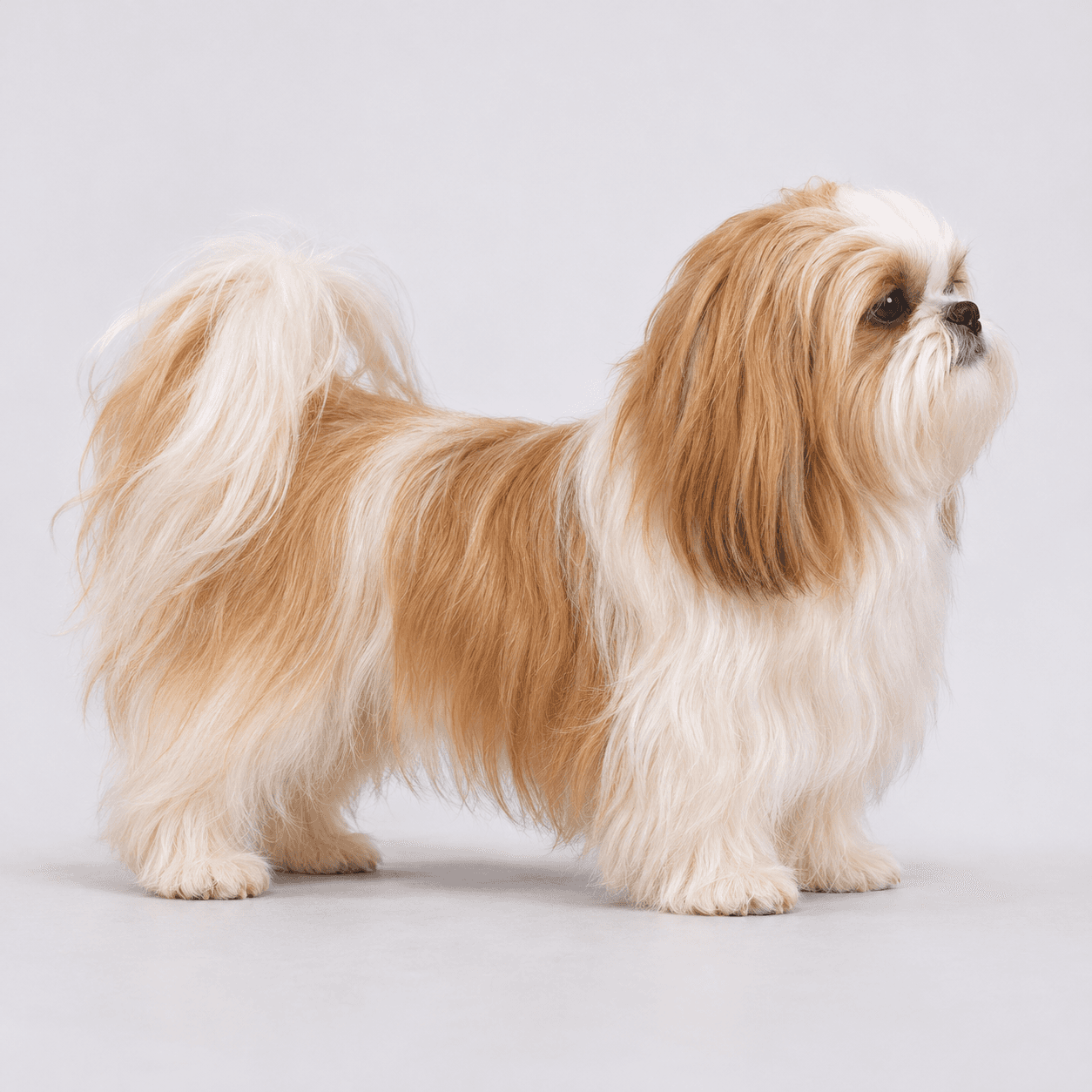
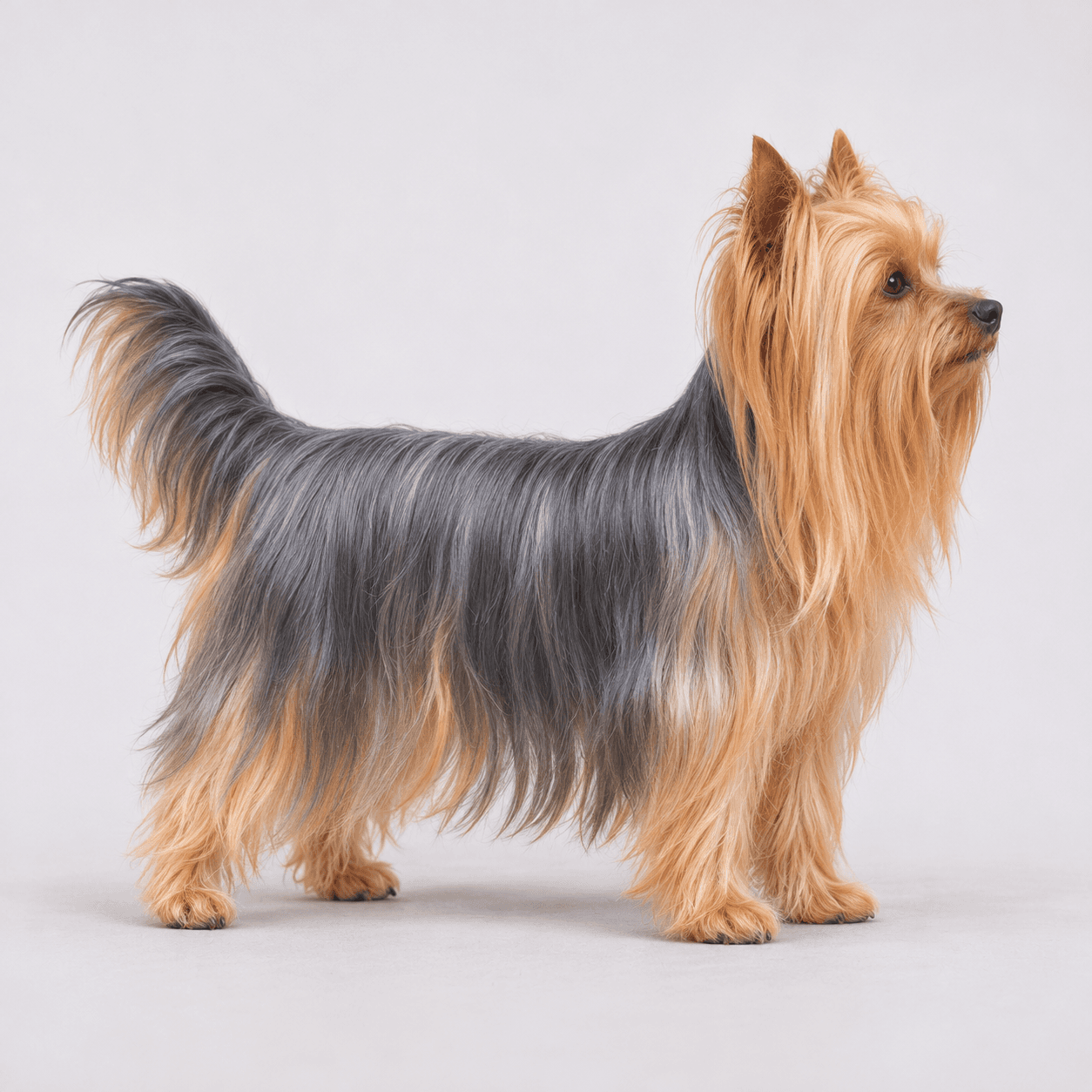
Understanding Your Dog's Coat — Flow Before Volume
At the salon, your groomer gets the coat in the best condition for that day's cut and style; at home, your job is preventing everyday friction and dryness so the coat stays soft and smooth to the ends. On long, straight coats, a natural downward fall matters more than volume. The goal is keeping the natural lay intact and easy to brush over time, rather than simply brushing more often.
Different coat types call for different priorities at home.
Long, straight coat
- Check First
- Natural downward flow
- What to Manage
- Friction · Static · Damaged ends
Curly coat
- Check First
- Parting the coat
- What to Manage
- Inner tangles · Dryness · Friction
Coat with a thick undercoat
- Check First
- Undercoat
- What to Manage
- Dead hair · Moisture · Clumping
The longer the coat, the more it rubs against itself and against clothes, harnesses, and bedding. Once hair dries out or the ends are damaged, strands catch on each other easily. That is why moisture and conditioner matter so much for cutting friction.
Routine Brushing — Check with a Straight Comb, Follow the Coat Direction
Pre-brushing spray is only there to cut friction, so you do not need to wet the coat down. Instead of tugging repeatedly at dry hair or small snags, find any snags first with a straight comb. Follow this routine:
- Check for tangles with a straight comb.
- Apply Detangling Spray very lightly over the whole body.
- Part small sections with one hand and brush gently in the direction of coat growth with a slicker brush (a brush with closely spaced fine pins).
- Check the lay and any remaining snags again with the straight comb.
A slicker brush is not for scratching the skin. Catch the hair near the base and angle your stroke so the hair lifts only about 10–15 degrees off the skin, repeating catch → gently lift → release. On long, straight coats, use the slicker brush mainly on tangled spots and finish along the natural downward flow.
Working out actual tangles is different. Spraying a tangle and brushing right away makes it harder to loosen and damages the hair, so spray generously and work it out while drying.
After you work out heavy mats, the hair feels rough on the outside and will not lie smooth right away. On those days, reset the coat in order: detangle → bathe → condition → blow-dry. For the bath, use Balancing Shampoo for a gentle 1st wash, just as in "After Heavy Dematting."
Once a day, part the hair behind the ears, in the armpits, and around the rear to check for small knots. Brush in small sections and stop if your brush or comb catches. On bath days, check that the coat is dry all the way to the skin.
Bathing — Wash Twice and Always Condition
Before bathing, check the skin, ears, paws, and tangles in high-friction spots. Apply Detangling Spray and brush out only the spots that catch. Clean the ears first (see Finish below).
Never pour shampoo straight onto your dog's body. It pools in one spot and is hard to rinse out completely, and leftover shampoo can irritate the skin. Put water into a dilution bowl (a small basin or pitcher) first, then add shampoo at Shampoo 1 : Water 7. Either pour it evenly over the body or work up lather with a bath pouf, spread it through the coat, and massage gently. Whichever way you wash, rinsing thoroughly matters most.
- 1st wash — blend Deep Cleansing Shampoo 2 : Whitening Shampoo 1, then dilute at Shampoo blend 1 : Water 7 (1 part blend to 7 parts water) to wash away dirt and sebum. Use the same blend even on coats with black hair like a Yorkshire Terrier's; just wash with the blend and rinse right away.
- 2nd wash — for routine baths, wash with Balancing Shampoo (Shampoo 1 : Water 7) for a smooth finish. Choose Deshedding & Detangling Shampoo only when tangles are heavy or the coat needs extra detangling help; using it every time on long, straight coats can weigh the hair down.
- Conditioner — use it on routine bath days, too. Balancing oil and moisture so the coat falls smoothly with shine to the ends is the whole point. Use All Purpose Conditioner for dry, rough coats, or Deshedding & Detangling Conditioner for tangles and static, then rinse thoroughly. Use less right before a haircut. On long coats, mixing conditioner into water and soaking the coat before rinsing spreads it evenly.
The more often you bathe your dog, the more you should focus on balance rather than strong cleansing. A dog bathed every week has very different dirt levels and coat condition from one bathed every 1–2 months. Add conditioning when the coat feels dry and rough, or extra detangling care when static and tangles pick up. Keep the two-wash routine either way; when the coat is lightly soiled, you can make both the 1st and 2nd washes slightly more dilute (Shampoo 1 : Water 10).
Yorkshire Terrier coats turn oily quickly, so do not stretch the time between baths too long.
Drying — Low Heat, All the Way Dry
Press with a towel to blot out water, wipe moisture from inside the ears, and apply Detangling Spray. Using warm (never hot) air on low to medium heat, dry in small sections while checking the direction of the coat.
- Keep the heat low, but dry completely — low heat does not mean stopping halfway.
- Do not blow the hair upward against its lay from the start. Smooth and dry in the direction the hair grows (downward). Blowing upward from underneath makes tangles much more likely a few days later.
- Once the coat is completely dry to the skin, neaten through the ends with a slicker brush and straight comb.
Finish — Ears · Eyes · Face
- Ears — on bath days, if ear dirt is at its usual level, apply ear cleaner as directed, massage gently, and wipe away moisture after your dog shakes its head. Between baths, wipe only the outer ear and never push cotton swabs deep inside. Checking the ears daily is different from cleaning them daily.
- Eyes — clean around the eyes after drying. Soak dried discharge thoroughly before wiping, and never pull it off by force. Keep the bottle tip away from the eye, and never put products meant for around the eyes directly into the eyes.
- Face — check for buildup around the eyes and mouth, then gently wipe and neaten the facial hair. Check your dog's eyes and ears every day.
If you notice odor, discharge, redness, or pain, or if your dog seems uncomfortable, consult a veterinarian.
Common Mistakes
- Forcefully brushing dry hair or small snags over and over → check with a straight comb first and cut friction with spray.
- Scratching the skin with a slicker brush → catch only the hair, lift slightly, and release.
- Pouring shampoo straight onto the body → dilute first and pour over the coat, or apply as lather.
- Using Deshedding & Detangling Shampoo for every bath → stick to Balancing Shampoo for routine care.
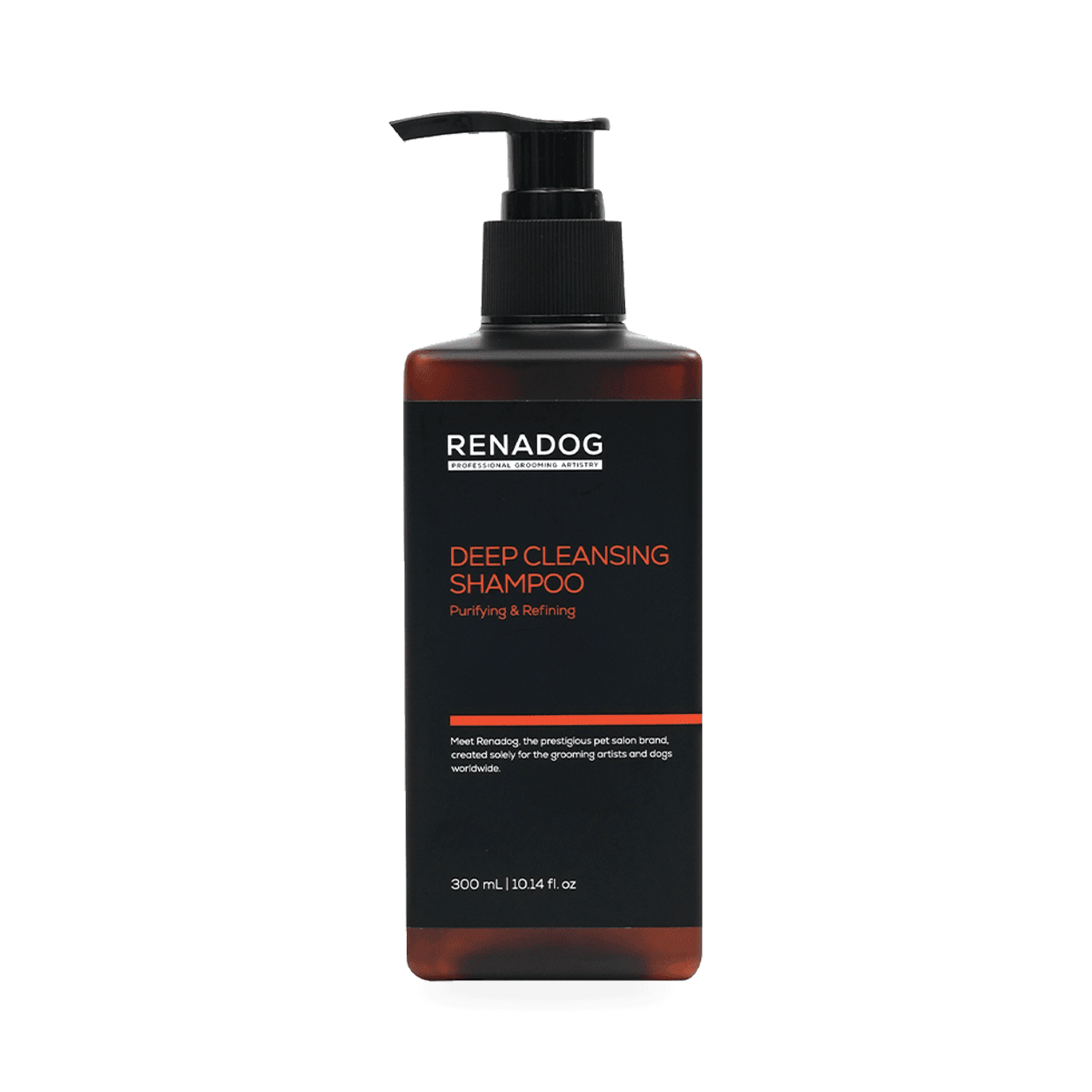 Deep Cleansing Shampoo
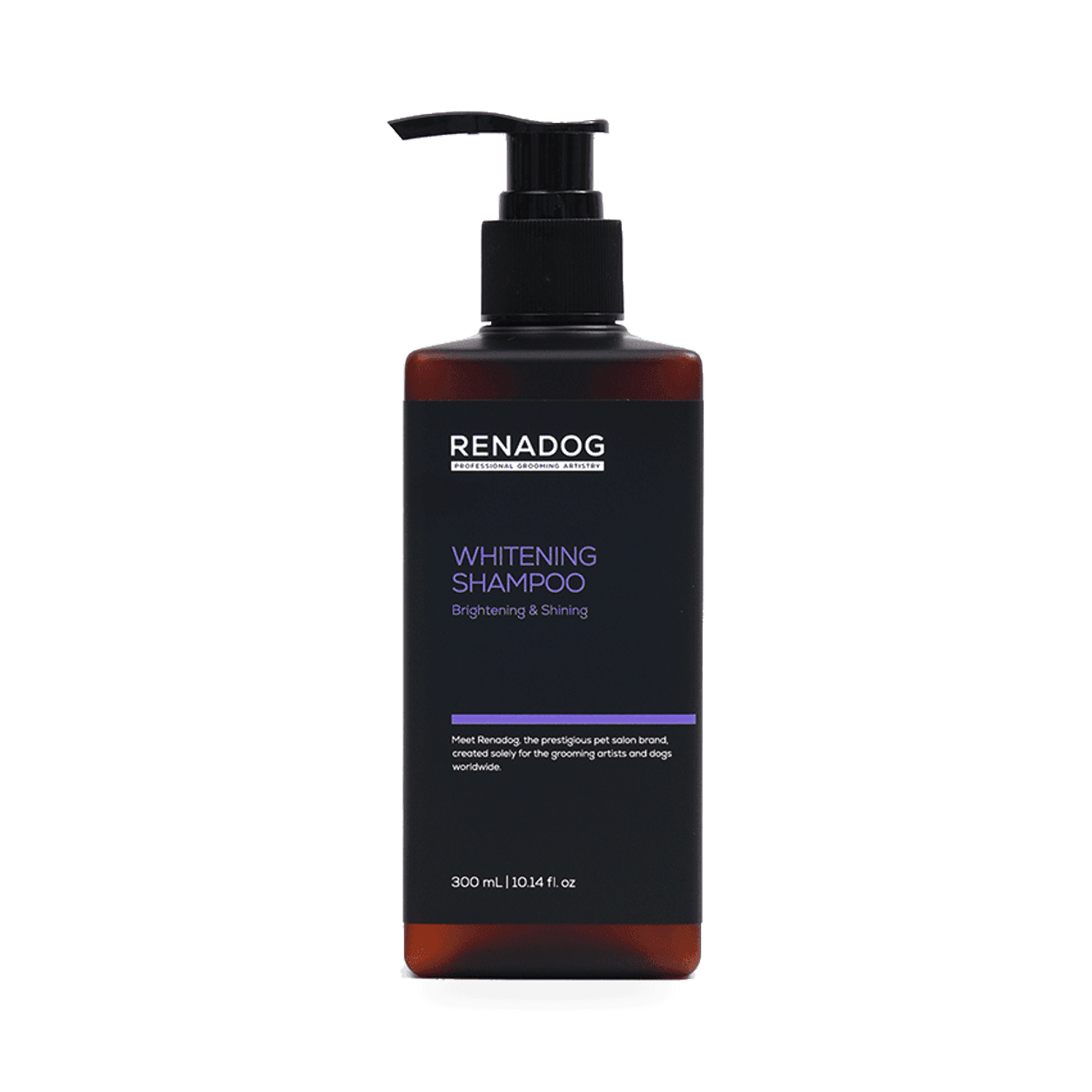 Whitening Shampoo
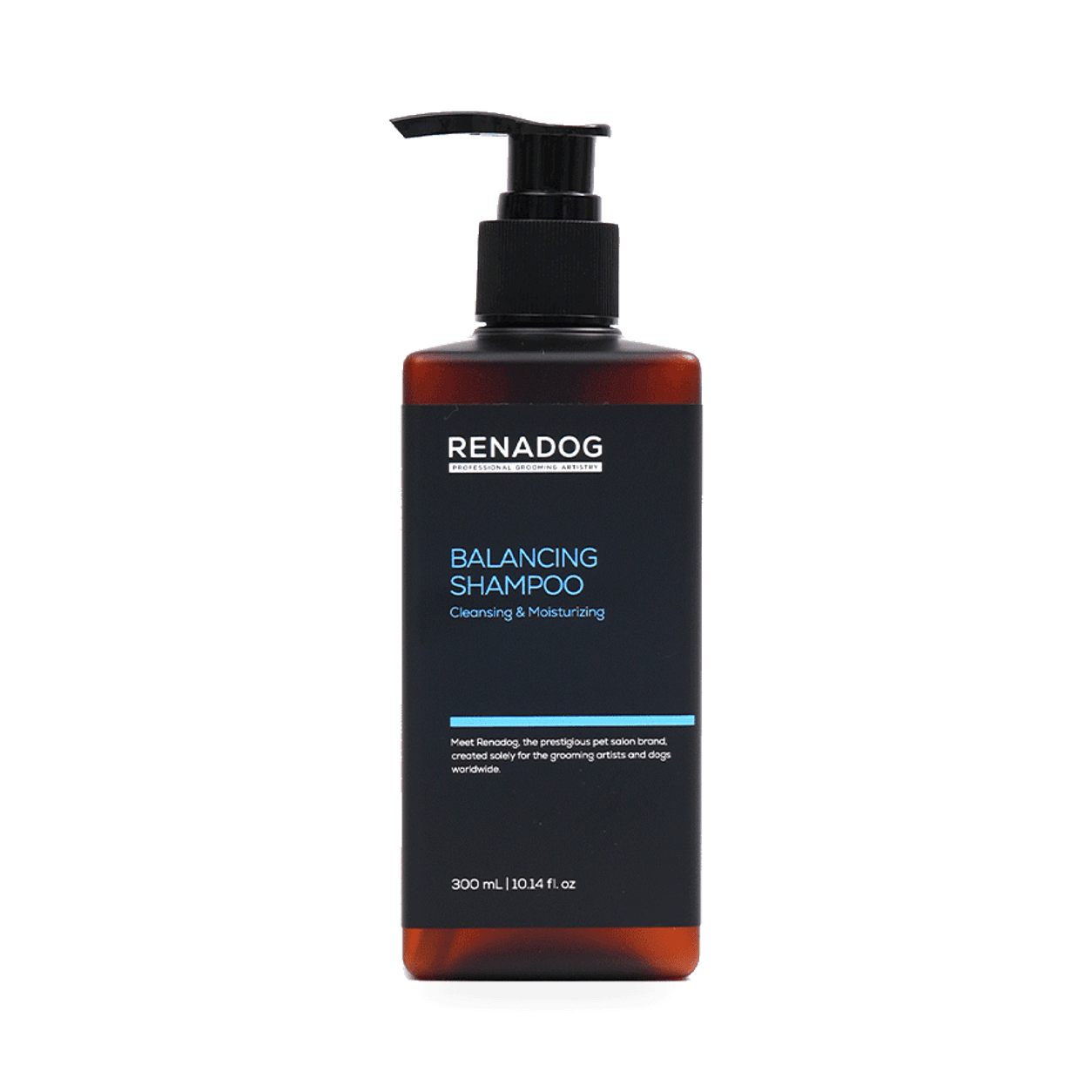 Balancing Shampoo
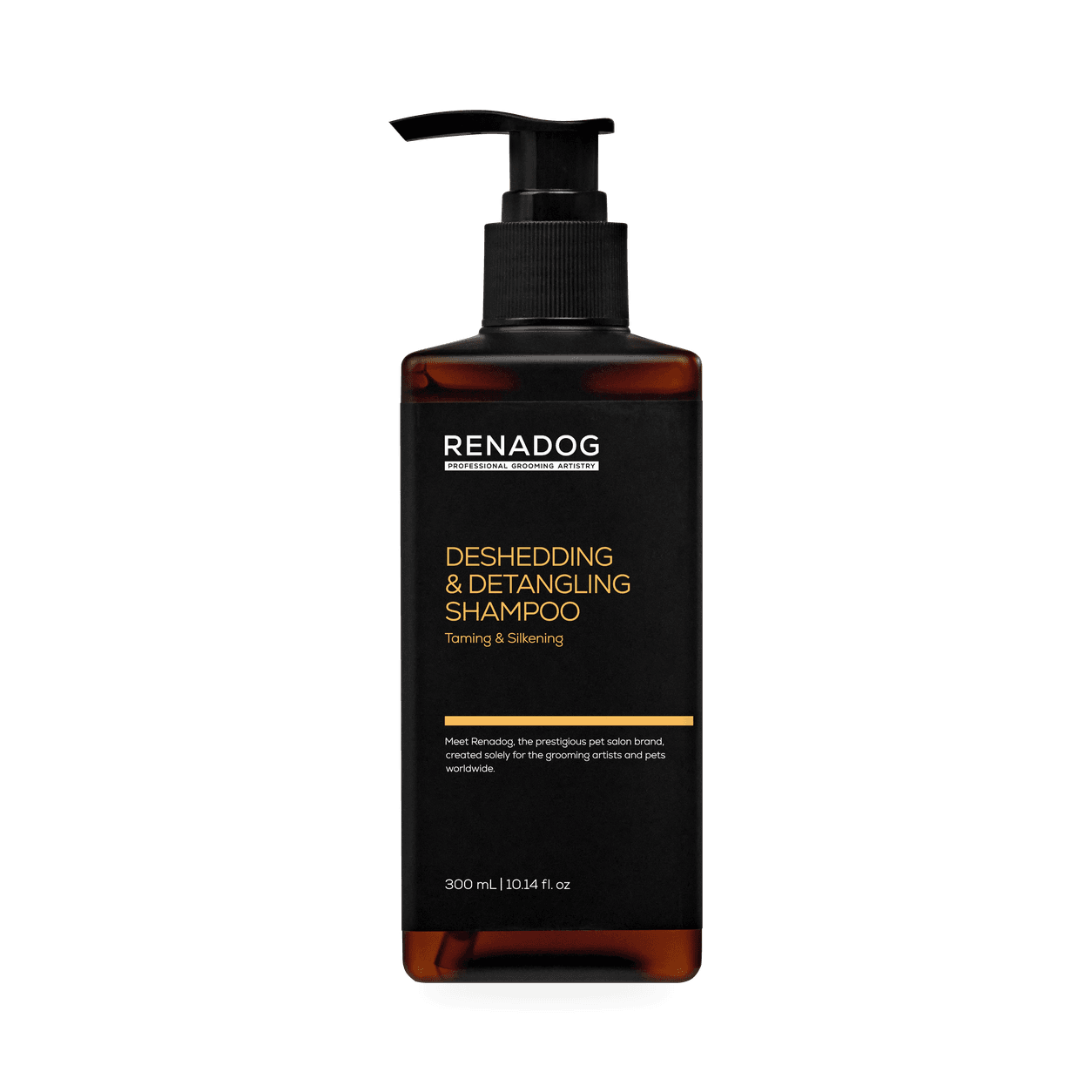 Deshedding & Detangling Shampoo
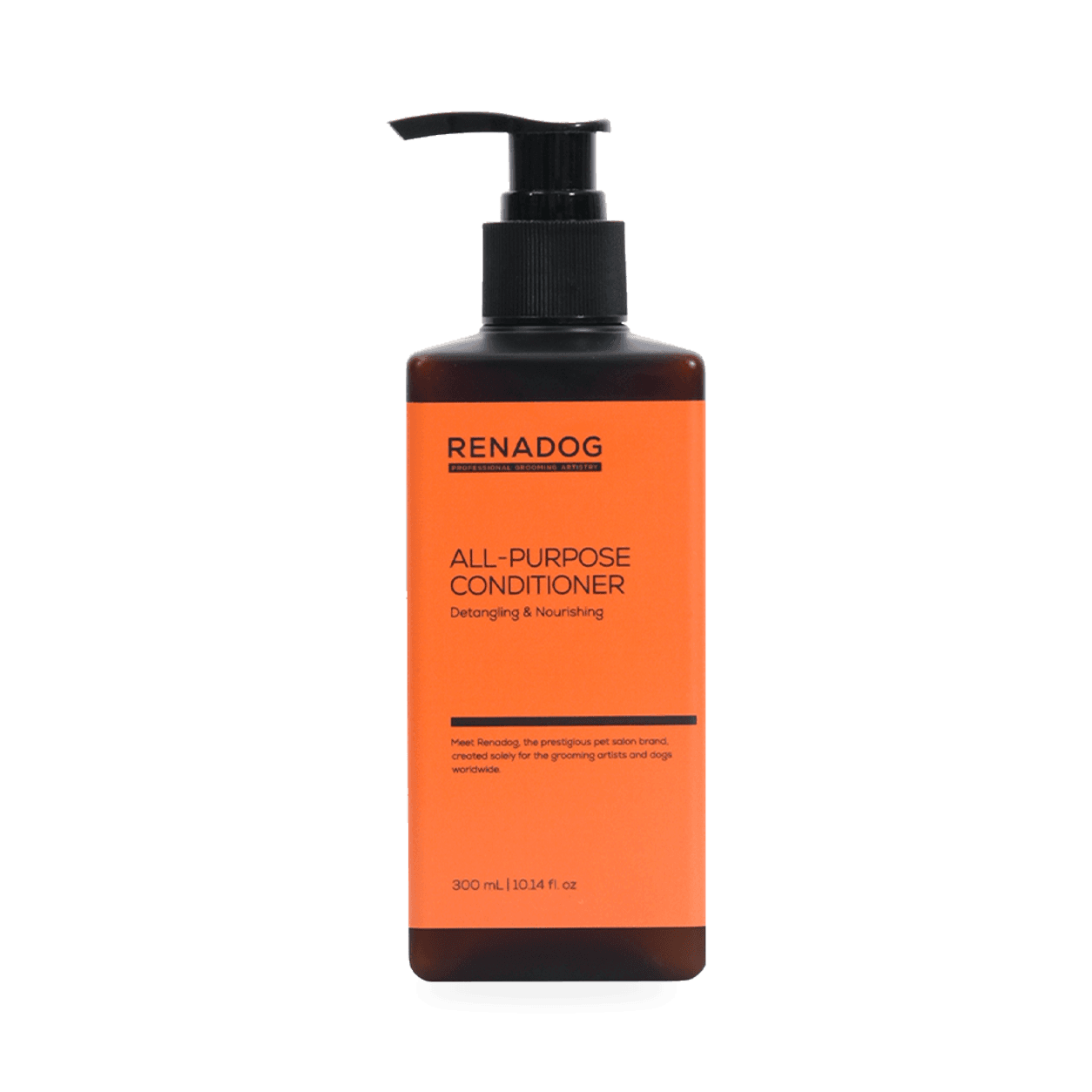 All Purpose Conditioner
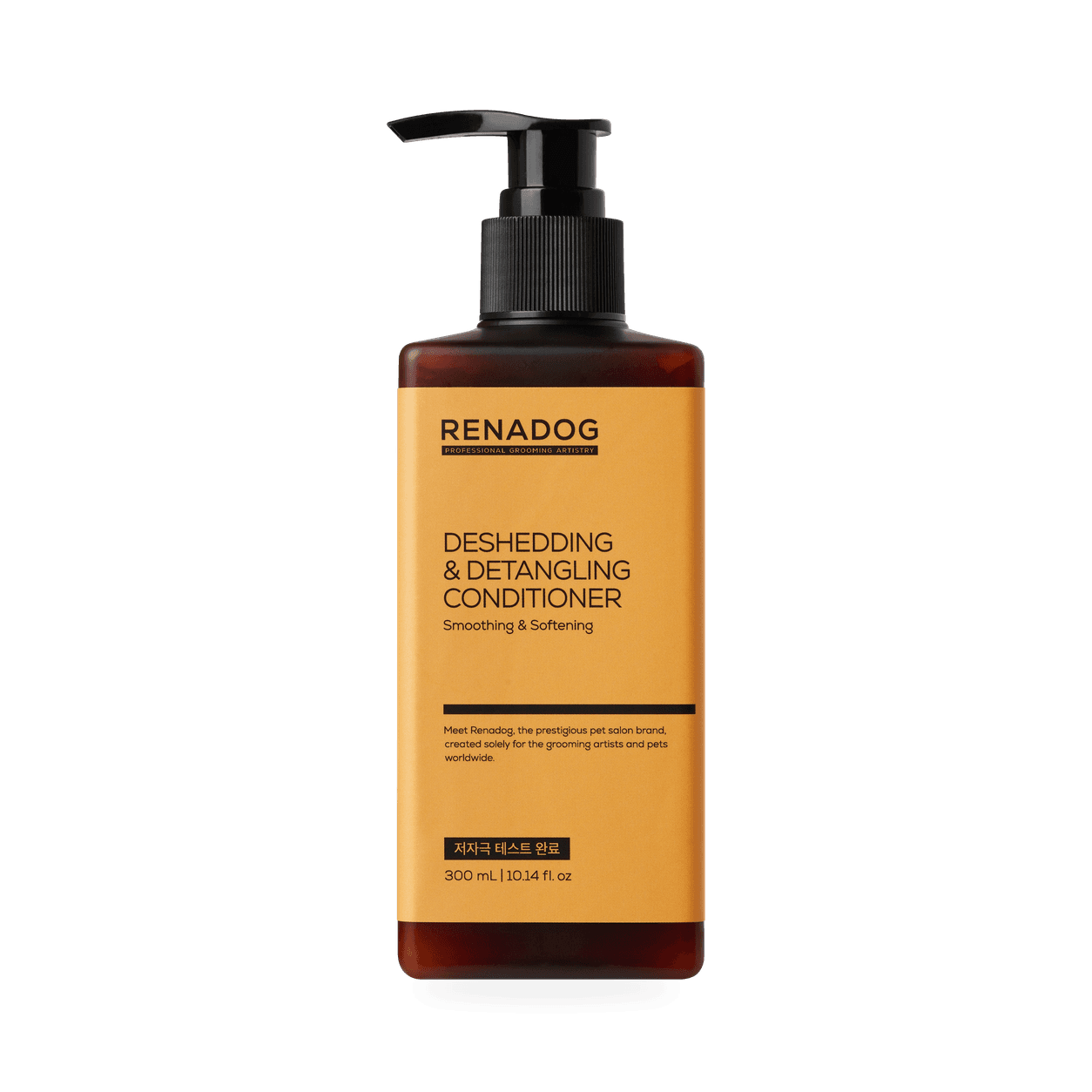 Deshedding & Detangling Conditioner
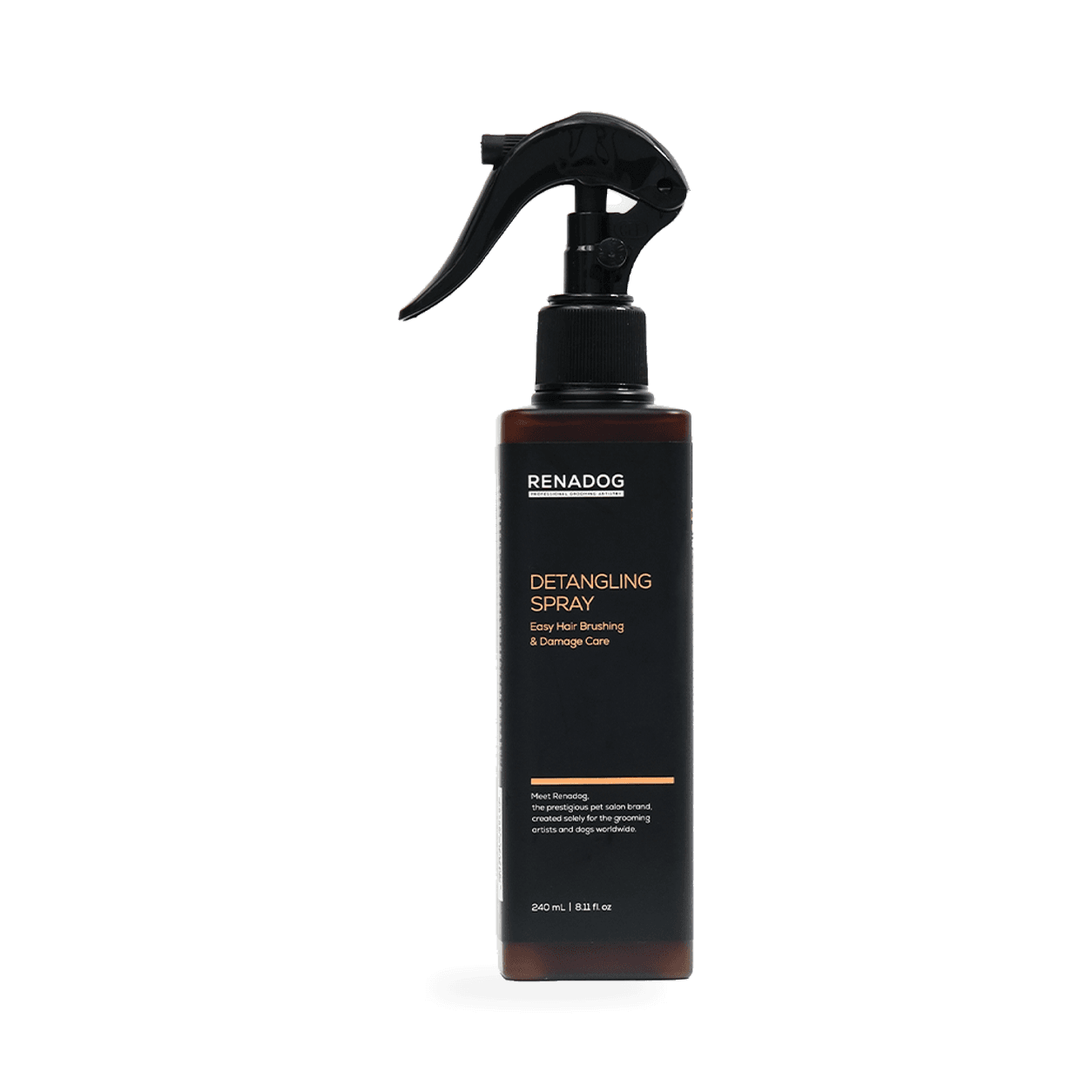 Detangling Spray